There’s something about the smell of warm spices and caramelized sugar drifting from the oven that makes a house feel instantly cozy.
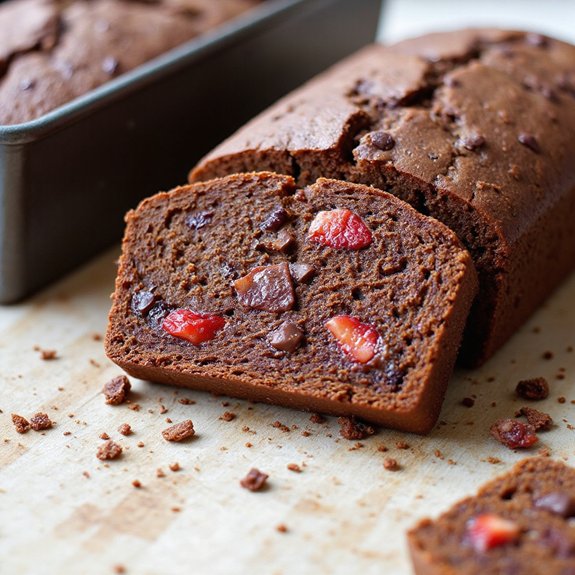
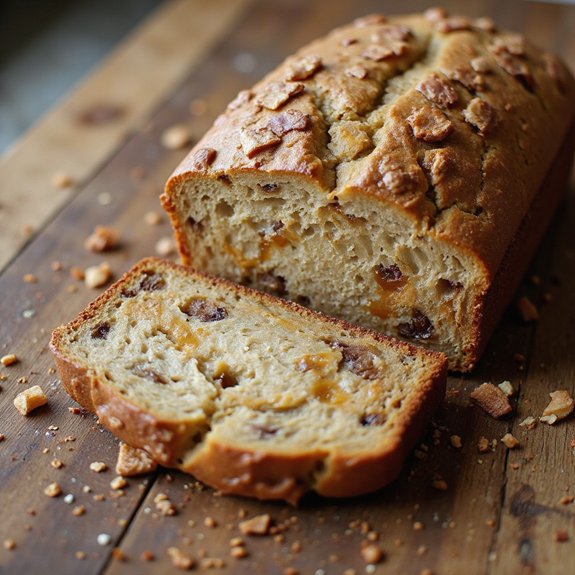
Picture a golden loaf of Biscoff Banana Bread, its crackly top swirled with ribbons of melted cookie butter, the interior moist, tender, and freckled with banana.
This is a comforting, cozy dessert (or anytime treat) that comes together quickly—perfect for when you’ve got ripe bananas on the counter and a craving that won’t wait long.
It’s ideal for sweet-tooth fans, busy families, and beginner bakers who want something impressive without fuss.
I first leaned on this recipe during a hectic week, when I needed a no-stress bake to bring to a last-minute gathering; it disappeared slice by slice, and I went home with an empty plate and several requests for the recipe. It shines for Sunday suppers, coffee breaks, or late-night cravings.
Ready to bring this dish to life?
Why You’ll Love It
- Delivers bold flavor from caramelized Biscoff, brown sugar, and ripe bananas
- Stays incredibly moist for days thanks to oil and mashed bananas
- Satisfies texture lovers with crunchy Biscoff cookie pieces in every slice
- Comes together easily in one bowl with simple, accessible ingredients
- Freezes beautifully for make-ahead breakfasts, snacks, or desserts
Ingredients
- 3 pcs bananas, very ripe, mashed — deep brown spots for sweetness
- 120 ml vegetable oil, neutral — canola or sunflower works well
- 100 g granulated sugar — standard white sugar is fine
- 60 g light brown sugar, packed — adds moisture and caramel flavor
- 2 pcs large eggs, room temperature — leave out 30 minutes before baking
- 5 ml vanilla extract — pure vanilla for best flavor
- 190 g all-purpose flour — weigh for accuracy and tender crumb
- 5 g baking powder — check it’s in-date so it rises properly
- 3 g baking soda — balances banana acidity for lift
- 3 g fine salt — enhances sweetness and overall flavor
- 120 g Biscoff spread, melted — microwave briefly until pourable
- 40 g Biscoff cookies, roughly crushed — keep some larger bits for crunch
- 45 ml milk, room temperature — whole or 2% for better richness
- extra Biscoff spread, melted — for swirling decor on top
- reserved crushed Biscoff cookies — sprinkle over the loaf before baking
Step-by-Step Method
Prepare the pan and oven
Preheat the oven to 175°C (350°F). Grease a 9×5-inch loaf pan and line it with a parchment sling for easy removal. Let the paper overhang the long sides. Lightly grease the parchment too. Set the pan aside while you mix the batter so it’s ready as soon as the batter is finished.
Combine the dry ingredients
Measure the flour, baking powder, baking soda, and salt into a medium bowl. Whisk thoroughly to distribute the leavening and salt evenly. Break up any small lumps of flour with the whisk. Set this bowl aside.
Keeping dry ingredients separate at first helps avoid overmixing later and make certain an even rise.
Mash the bananas
Place the very ripe bananas in another medium bowl. Mash with a fork or potato masher until mostly smooth. Leave a few small lumps for texture if you like.
Very spotty, soft bananas work best here, adding both moisture and natural sweetness. Scrape down the sides of the bowl so everything is evenly mashed.
Whisk in the wet ingredients
Add the vegetable oil, granulated sugar, light brown sugar, eggs, and vanilla to the mashed bananas. Whisk until the mixture looks smooth and slightly thickened.
Make sure the eggs are fully incorporated and no streaks of yolk remain. This step builds the base flavor and sweetness for the banana bread batter.
Melt and mix the Biscoff
Microwave the Biscoff spread for about 20–30 seconds until it becomes pourable but not hot. Stir to smooth it out.
Pour the melted Biscoff into the banana mixture. Whisk again until fully combined and uniform in color. This infuses the batter with Biscoff flavor throughout, not just on top.
Fold in the dry ingredients
Tip the dry mixture into the wet mixture. Using a rubber spatula, fold gently, scraping the sides and bottom of the bowl.
Stop as soon as you no longer see dry streaks of flour. Don’t beat the batter. Overmixing here can make the loaf tough and dense instead of soft and tender.
Add the milk gently
Pour in the room-temperature milk. Fold it in briefly with the spatula until the batter looks smooth and consistent. Avoid vigorous stirring at this stage.
A few small lumps are fine. The milk loosens the batter to the right consistency, helping the bread bake evenly and maintain a moist crumb.
Fold in the crushed cookies
Roughly crush the Biscoff cookies with your hands or in a bag with a rolling pin. Fold most of the cookie pieces into the batter, reserving a small handful for the top.
Distribute them evenly but don’t overmix. These cookie bits add pockets of crunch and extra Biscoff flavor throughout the loaf.
Fill the pan and swirl the top
Pour the batter into the prepared loaf pan. Smooth the top with a spatula so it’s level. Gently warm a little extra Biscoff spread until pourable.
Drizzle it over the surface in thin lines. Use a knife or skewer to swirl the spread lightly, creating a marbled pattern without disturbing the batter too much.
Top with extra cookies
Sprinkle the reserved crushed Biscoff cookies evenly over the swirled surface. Press them very lightly so they adhere but still sit mostly on top.
This topping bakes into a crunchy, caramelized layer. It gives a nice contrast to the soft interior and makes the loaf visually appealing for serving.
Bake and check for doneness
Place the pan in the preheated oven. Bake for 50–60 minutes, rotating once if needed. Start checking around 50 minutes.
Insert a toothpick or cake tester into the center; it should come out with a few moist crumbs but no wet batter. Tent loosely with foil if the top browns too quickly.
Cool, release, and slice
Set the hot pan on a cooling rack. Let the bread cool in the pan for 15–20 minutes so it sets and firms up.
Use the parchment sling to lift the loaf out carefully. Transfer it to the rack and let it cool completely. Slice with a sharp knife once fully cool for clean, neat pieces.
Ingredient Swaps
- Substitute melted butter or coconut oil for vegetable oil in equal amounts if preferred.
- Use brown sugar only (160 g total) for a deeper caramel flavor, or swap in coconut sugar for a less refined option.
- Replace milk with any unsweetened non‑dairy milk (oat, almond, soy) for a dairy‑free loaf.
- For egg‑free: use 2 flax “eggs” (2 tbsp ground flax + 6 tbsp water, rested 5–10 minutes).
- If you can’t find Biscoff, use another cookie butter or smooth peanut butter (flavor will change but texture will be similar).
- Swap Biscoff cookies with digestive biscuits, graham crackers, or speculaas if that’s what’s available.
You Must Know
– Doneness • If the center looks set but you’re unsure: Insert a toothpick right into the tallest dome of the loaf; it should come out with a few moist crumbs, not shiny batter, and the top should spring back when pressed lightly.
This is usually around 50–60 minutes at 175°C (350°F).
– Avoid • To keep the loaf from turning dense or rubbery: Stop folding the flour in as soon as you no longer see dry streaks, even if a few small lumps remain.
Extra stirring develops gluten, which toughens the crumb and kills that soft, cake-like texture.
– Troubleshoot • If your loaf sinks in the middle: Check that your baking powder and soda are less than 6 months opened and that your mashed banana is close to 3 medium pieces (about 300 g peeled).
Too-old leavening or too-wet batter (excess banana) often causes collapse as it cools.
– Scale • For a smaller or larger batch: For an 8×4-inch pan, reduce the recipe to about 75% (bake roughly 5–10 minutes less, watching for the same toothpick cue).
For two 9×5 loaves, double all ingredients exactly and start checking doneness at 45 minutes.
– Flavor Boost • For deeper caramel-spice notes: Lightly toast the crushed Biscoff cookies on a tray at 175°C (350°F) for 4–5 minutes until fragrant, then cool before folding in.
The extra toasty flavor stands out more against the banana and keeps some crunch.
Serving Tips
- Serve warm slices with a generous smear of extra Biscoff on top.
- Add a scoop of vanilla ice cream and a drizzle of melted Biscoff.
- Plate with sliced bananas, crushed Biscoff cookies, and a light dusting of powdered sugar.
- Toast leftover slices and serve with salted butter or cream cheese.
- Cut into thick fingers and serve on a sharing board with fresh fruit.
Storage & Make-Ahead
Biscoff Banana Bread keeps in the fridge, tightly wrapped or in an airtight container, for up to 5 days.
It’s perfect for making ahead: bake, cool completely, then slice.
Freeze slices (wrapped well) for up to 2 months.
Thaw at room temperature or gently warm in the microwave or toaster.
Reheating
Reheat slices gently.
Microwave 10–20 seconds wrapped in a damp paper towel.
Warm in a 160°C (320°F) oven for 8–10 minutes wrapped in foil.
Toast lightly in a covered skillet.
Biscoff’s Belgian Café Roots
Once you’ve warmed a slice and the caramelized spice fills your kitchen, it’s easy to imagine the cookie’s story beginning far from your own oven.
I picture a snug Belgian café, rain misting the windows, tiny spoons chiming against porcelain cups.
A barista slides over a strong coffee with a single crisp speculoos cookie tucked on the saucer, its brown-sugar warmth curling into the steam.
That little cookie was Biscoff’s first stage, meant to be nibbled between sips, its cinnamon and caramel notes deepening each taste of coffee.
When I stir Biscoff spread into this banana bread, I feel like I’m folding that café moment into the batter—those cozy European mornings baked right into every tender slice.
Final Thoughts
Give this Biscoff Banana Bread a try the next time you’ve got extra ripe bananas—you’ll be amazed how cozy and indulgent it tastes.
Feel free to tweak it with chocolate chips, nuts, or extra Biscoff swirls to make it your own.
Frequently Asked Questions
Can I Make This Biscoff Banana Bread Gluten-Free Without Compromising Texture?
Yes, you can. I’d swap in a 1:1 gluten‑free baking flour, sift it gently, and fold softly. As it bakes, your kitchen will smell buttery‑spiced, and the crumb stays tender, moist, and dreamy.
How Do I Scale the Recipe for Mini Loaves or Muffins?
I’d scale to 12 muffins or 3–4 mini loaves: fill each ⅔ full, bake at 350°F, muffins 18–22 minutes, minis 28–35. Watch for golden tops and that fragrant, caramelized banana aroma.
What’s the Best Way to Mail This Banana Bread as a Gift?
I’d bake it fully, cool overnight, then wrap slices snugly in plastic and foil, nestle them in a tin with parchment and crumpled paper, and ship priority so you’ll unwrap fragrant, tender crumbs instead of crumbs.
Can I Adapt This Recipe for a Vegan or Egg-Free Diet?
You can, and I’d love you to try: I’d swap each egg for 60g mashed banana, use plant milk and vegan Biscoff, then bake until your kitchen smells like warm caramel, spice, and sun‑soft bananas.
How Do Altitude or Humidity Changes Affect Baking Time and Results?
Altitude makes your loaf rise faster, dry out, and bake quicker; humidity keeps it dense and moist, sometimes underbaked. I’d watch the center closely, adjust time by minutes, and trust your nose’s warm, spiced aroma.
Biscoff Banana Bread
Equipment
- 1 loaf pan (9×5 inch)
- 2 mixing bowls (medium)
- 1 Whisk
- 1 Rubber spatula
- 1 Wooden spoon
- 1 Measuring cups set
- 1 Measuring spoons set
- 1 toothpick or cake tester
- 1 Cooling rack
Ingredients
- 3 piece bananas very ripe mashed
- 120 milliliter vegetable oil neutral
- 100 gram granulated sugar
- 60 gram light brown sugar packed
- 2 piece large eggs room temperature
- 5 milliliter vanilla extract
- 190 gram all-purpose flour
- 5 gram baking powder
- 3 gram baking soda
- 3 gram fine salt
- 120 gram Biscoff spread melted plus extra for swirling
- 40 gram Biscoff cookies roughly crushed
- 45 milliliter milk room temperature
Instructions
- Preheat the oven to 175°C (350°F) and lightly grease and line a 9×5-inch loaf pan with parchment paper.
- In a medium bowl whisk together the flour, baking powder, baking soda, and salt, then set aside.
- In another bowl mash the ripe bananas until mostly smooth with a few small lumps remaining.
- Add the vegetable oil, granulated sugar, brown sugar, eggs, and vanilla to the bananas and whisk until well combined.
- Warm the Biscoff spread in the microwave for about 20–30 seconds until pourable and stir it into the wet mixture.
- Pour the dry ingredients into the wet ingredients and fold gently with a spatula until just combined and no dry streaks of flour remain.
- Add the milk and fold again briefly until the batter is smooth, taking care not to overmix.
- Fold in the crushed Biscoff cookies, reserving a small handful for topping if desired.
- Pour the batter into the prepared loaf pan and smooth the top with a spatula.
- Drizzle extra melted Biscoff spread over the top of the batter and use a knife or skewer to gently swirl it into the surface.
- Sprinkle the reserved crushed Biscoff cookies over the top of the loaf.
- Bake the banana bread in the preheated oven for 50–60 minutes, or until a toothpick inserted in the center comes out with a few moist crumbs but no wet batter.
- If the top is browning too quickly, tent the loaf loosely with foil during the last 10–15 minutes of baking.
- Remove the pan from the oven and place it on a cooling rack, then let the bread cool in the pan for 15–20 minutes.
- Carefully lift the banana bread out using the parchment paper and let it cool completely on the rack before slicing and serving.
Notes

Cynthia Weatherford is a seasoned chef and culinary enthusiast who serves as the Recipe creator of Somonday. With decades of experience in the kitchen and a passion for exploring diverse cuisines, Cynthia brings a blend of creativity and technique to every dish. Known for transforming simple ingredients into show-stopping meals, Cynthia believes that cooking is an art form anyone can master. Dedicated to inspiring home cooks, Cynthia shares approachable recipes, pro tips, and culinary wisdom to make every meal memorable.