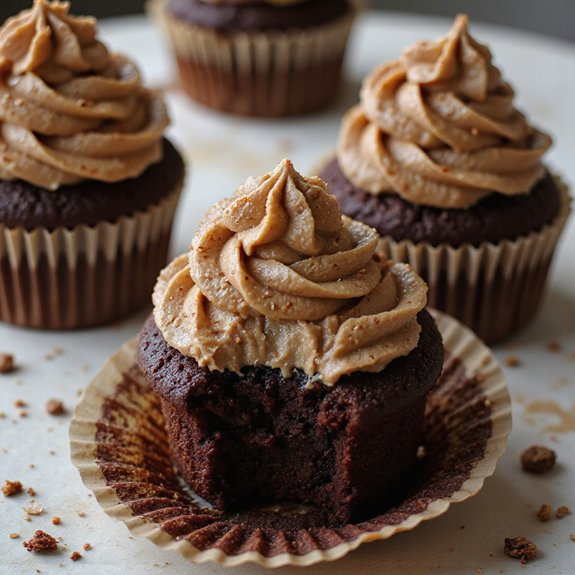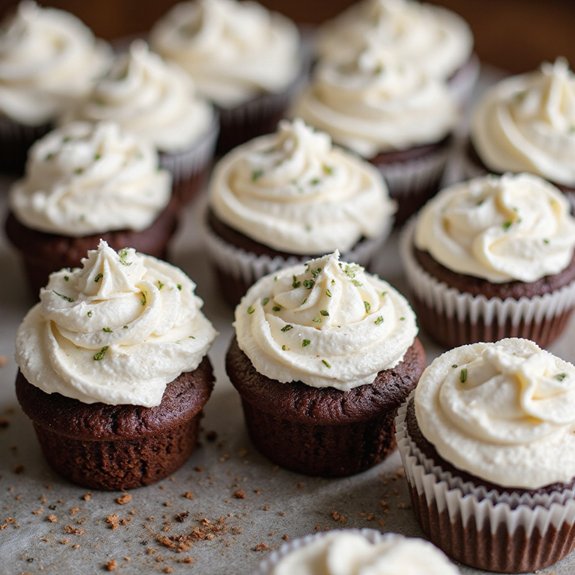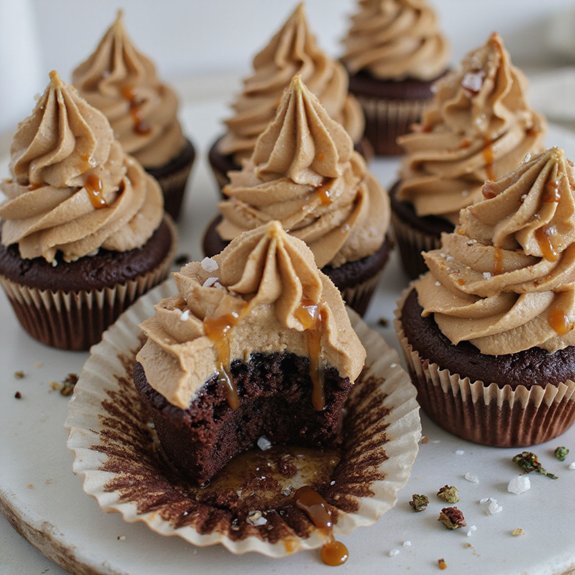
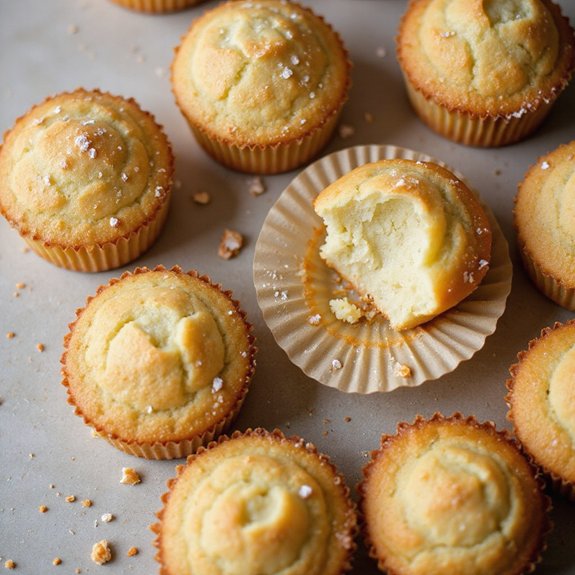
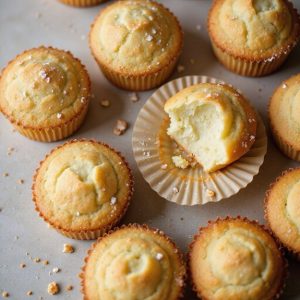
There’s something about a tray of chiffon cupcakes emerging from the oven—golden, cloud-light tops gently domed, filling the kitchen with the warm scent of vanilla and sugar.
These are the definition of a cozy dessert: tender, airy little cakes that feel indulgent but not heavy, ready in about an hour from mixing bowl to first bite.
They’re perfect for sweet-tooth fans, beginner bakers, and anyone who needs a make-ahead treat for easy entertaining.
I still remember a rainy afternoon when guests texted, “We’re nearby—can we stop in?”
With little time and even less energy, I whipped up chiffon cupcakes. By the time the doorbell rang, they were cooling on the counter, their soft, springy crumb and satin-smooth frosting stealing the spotlight and saving the visit.
These cupcakes shine for birthdays, Sunday suppers, or last-minute cravings.
Ready to bring this dish to life?
Why You’ll Love It
- Delivers ultra-light, cloudlike crumbs with tender, moist texture
- Showcases delicate vanilla flavor that pairs with any frosting or fruit
- Uses simple ingredients and basic tools you likely already own
- Impresses guests with bakery-style rise and smooth, crack-free tops
- Serves as a versatile base for countless fillings and toppings
Ingredients
- 120 g cake flour, sifted — use low-protein flour for tenderness
- 120 g granulated sugar, divided — superfine sugar dissolves more easily
- 4 g baking powder — check it’s fresh for proper lift
- 2 g fine salt — enhances flavor without tasting salty
- 60 ml neutral vegetable oil — choose a light, neutral-tasting brand
- 60 ml whole milk, room temperature — fat adds richness and moisture
- 4 large egg yolks, room temperature — yolks give color and structure
- 6 large egg whites, room temperature — warmer whites whip to higher volume
- 3 ml vanilla extract — pure vanilla gives cleaner flavor
- 2 ml cream of tartar — helps stabilize the meringue
Step-by-Step Method
Preheat and Prepare Pan
Preheat the oven to 170°C (340°F). Line a 12-cup muffin pan with paper cupcake liners, pressing them neatly into each well. Set the pan aside on a sturdy baking sheet if desired, for easier handling.
Preparing the pan now guarantees the batter can be baked immediately once mixed, preserving maximum volume.
Combine Dry Ingredients
Whisk together the cake flour, half of the granulated sugar, baking powder, and salt in a mixing bowl.
Use a fine-mesh sieve to sift the mixture once more for added lightness. Break up any clumps completely. Keep the bowl nearby, as you’ll soon add the wet ingredients.
This step establishes an even, airy base for the chiffon batter.
Mix Yolks and Liquids
Whisk the egg yolks, vegetable oil, milk, and vanilla extract in a separate bowl until very smooth.
Guarantee the mixture looks emulsified and uniform with no streaks of oil or yolk. Room-temperature ingredients blend more easily.
This liquid mixture will hydrate the dry ingredients and contribute richness while keeping the texture tender and moist.
Form the Yolk Batter
Pour the yolk mixture into the dry ingredients. Whisk gently but thoroughly until a smooth, lump-free batter forms.
Scrape the sides and bottom of the bowl to incorporate all the flour. Avoid overmixing, which can develop gluten and make the cupcakes tough.
Once the batter is silky and even, set it aside briefly.
Start Whipping Egg Whites
Place the egg whites and cream of tartar in a clean, grease-free mixing bowl. Begin beating on medium speed until the mixture becomes foamy and opaque.
The cream of tartar stabilizes the egg whites and helps them whip to greater volume. Make certain no traces of yolk or fat are present, or the whites may not whip properly.
Add Sugar and Whip to Peaks
Gradually add the remaining sugar to the foamy egg whites while continuing to beat. Increase speed slightly and whip until glossy medium-stiff peaks form.
The meringue should hold its shape but still look moist, not dry. Stop beating as soon as you reach this stage, since overwhipping can cause graininess and difficult folding, which deflates the batter.
Lighten the Yolk Batter
Fold one-third of the whipped egg whites into the yolk batter. Use a rubber spatula and a gentle folding motion, scooping from the bottom and turning over the top.
This initial addition loosens and lightens the thicker yolk batter. Mix only until mostly combined; some small streaks are acceptable, as they’ll disappear with later additions.
Fold in Remaining Egg Whites
Add the remaining egg whites in two additions. Fold very gently, rotating the bowl as you scoop from the bottom and lift over the top.
Scrape the sides to incorporate all the batter without deflating the meringue. Stop folding as soon as no white streaks remain. Preserving the trapped air guarantees the chiffon cupcakes bake up tall and fluffy.
Portion the Batter
Divide the batter evenly among the 12 cupcake liners, filling each about two-thirds full. Use a scoop or spoon for consistent sizes.
Try not to bang or stir the batter at this stage, since it can push out the air you just incorporated. Smooth the tops lightly with the back of a spoon if needed for even baking.
Remove Air Bubbles
Tap the muffin pan lightly on the counter a couple of times to release any large air bubbles from the batter.
This encourages a finer, more even crumb in the baked cupcakes. Avoid over-tapping, which can deflate the batter too much.
Once the surface looks settled, immediately place the pan into the preheated oven.
Bake and Test Doneness
Bake the cupcakes for 16 to 18 minutes. Avoid opening the oven during the first 10 minutes to prevent collapse.
Check for doneness when the tops spring back lightly to the touch and a toothpick inserted in the center comes out clean. If needed, bake one or two minutes longer, watching closely to avoid overbrowning.
Cool and Finish
Remove the muffin pan from the oven and place it on a cooling rack. Let the cupcakes cool in the pan for about 5 minutes to set their structure.
Carefully transfer them from the pan to the rack and cool completely for about 25 minutes. Once cooled, serve plain, dust with powdered sugar, or top with softly whipped cream.
Ingredient Swaps
- Flour: Use all-purpose flour if you don’t have cake flour; for each 120 g, remove 2 tsp flour and replace with 2 tsp cornstarch, then sift well.
- Dairy: Swap whole milk with any milk from 2% to oat/soy/almond; richer plant milks give better tenderness.
- Oil: Any neutral oil (canola, sunflower, grapeseed) works; light olive oil is fine if flavor is mild.
- Stabilizer: If you don’t have cream of tartar, use a few drops of lemon juice or white vinegar to help stabilize the egg whites.
- Sugar: Regular granulated is best, but fine caster sugar can be used (it may whip into the egg whites a bit faster).
You Must Know
– Doneness • If the tops look pale and super soft
Gently press the center: it should spring back and feel dry, not tacky, and a toothpick should come out with no wet streaks (a few tiny crumbs are fine).
Slightly underdone chiffon collapses as it cools within 5–10 minutes.
– Avoid • If your egg whites look clumpy and grainy
Stop adding sugar and discard that batch; start new whites with cream of tartar and add sugar more gradually.
Over-whipped whites won’t blend smoothly and will leave visible pockets, causing tunnels and uneven rise.
– Troubleshoot • When cupcakes shrink away from the liners as they cool
Note if they were very tall and browned deeply in under 16 minutes—this points to an oven that’s too hot; lower by 5–10°C next time.
Rapid over-browning outside before the inside sets makes chiffon pull back as it cools.
– Scale • For 24 cupcakes (a double batch)
Multiply every ingredient by 2 (e.g., 240 g cake flour, 240 g sugar, 8 yolks, 12 whites) and use two pans on the center racks, rotating once at around 10–12 minutes.
Total time stays close (16–19 minutes); rely on spring-back and toothpick checks.
– Flavor Boost • To add citrus or tea flavor without ruining texture
Swap 10–15 ml of the milk with lemon juice, yuzu, or strong cooled tea, and add 4–6 g finely grated zest or 2–3 g tea powder to the dry ingredients.
Keeping total liquid at ~60 ml protects the chiffon’s lift while giving a clear but balanced flavor.
Serving Tips
- Top with lightly sweetened whipped cream and fresh berries for a simple, elegant finish.
- Serve plain with a dusting of powdered sugar and a side of seasonal fruit.
- Pair with hot tea or coffee; their light texture balances warm, robust drinks.
- Hollow slightly and fill with lemon curd or pastry cream, then garnish with zest.
- Arrange on a tiered stand and decorate with edible flowers for party presentation.
Storage & Make-Ahead
Chiffon cupcakes stay soft in an airtight container in the fridge for up to 3 days.
For make-ahead, bake, cool completely, then chill or freeze unfrosted.
They freeze well, tightly wrapped, for up to 1 month.
Thaw at room temperature in the closed container before frosting or serving.
Reheating
To reheat chiffon cupcakes gently, warm in a 150°C (300°F) oven for 5–8 minutes.
Or microwave 5–10 seconds.
For stovetop, briefly steam covered to restore moisture.
Chiffon Cupcakes on Birthdays
Sometimes a birthday feels more intimate when each guest cradles their own airy little cake, and that’s where chiffon cupcakes shine.
I love setting out a tray of them—golden, feather-light domes peeking over their paper liners—then watching everyone linger, choosing “their” cupcake like it’s a tiny present.
Instead of wrestling with slices, I let the cupcakes be the celebration: a swirl of whipped cream, maybe a few berries glistening with juice, a soft drift of powdered sugar like birthday confetti.
When the candles go in, the flames flicker over twelve little clouds, not one big tower.
As you bite in, the crumb compresses, then springs back, releasing vanilla warmth and eggy sweetness that feels almost weightless on the tongue.
Final Thoughts
Give these chiffon cupcakes a try and enjoy how light, fluffy, and versatile they are.
Once you’ve mastered the base recipe, have fun tweaking flavors with citrus zest, cocoa, or your favorite extracts and toppings.
Frequently Asked Questions
Can I Make These Chiffon Cupcakes Gluten-Free Without Losing Their Texture?
Yes, you can, but you’ll need care. I swap cake flour with a fine gluten‑free blend plus extra starch and xanthan; when I fold the meringue, the batter still sighs into the pan like satin.
How Do I Adjust the Recipe for High-Altitude Baking Conditions?
I’d lower baking powder slightly, add 1–2 teaspoons extra milk, and reduce sugar by a tablespoon. When I bake at altitude, I watch the tops rise slowly, listening for that soft, whispery crumb forming.
What’s the Best Way to Freeze Leftover Egg Yolks or Whites?
I freeze whites plain in ice-cube trays, but I whisk yolks with a pinch of sugar or salt first. Label everything. Later, I love cracking those frosty gems into a softly hissing skillet.
How Can I Scale This Recipe for a Large Party or Bake Sale?
You can scale by multiplying every ingredient by your needed batches—24 guests, double; 36, triple. I write each new amount, then whisk, fold, and watch pans rise, kitchen filling with that warm, sweet, toasty fragrance.
Are There Kid-Friendly Activities to Involve Children While Making These Cupcakes?
Yes, absolutely—let kids crack eggs, whisk the glossy whites, and line tins. I always let them spoon batter, sniff vanilla, then shower cooled cakes with sprinkles; their sticky fingers and giggles become the best memory.
Chiffon Cupcakes
Equipment
- 2 Mixing bowls
- 1 electric mixer or hand whisk
- 1 Fine mesh sieve
- 1 Rubber spatula
- 1 12-cup muffin pan
- 12 paper cupcake liners
- 1 Cooling rack
- 1 measuring cup set
- 1 measuring spoon set
- 1 toothpick
Ingredients
- 120 gram cake flour sifted
- 120 gram granulated sugar divided
- 4 gram baking powder
- 2 gram fine salt
- 60 milliliter vegetable oil neutral
- 60 milliliter whole milk room temperature
- 4 large egg yolks room temperature
- 6 large egg whites room temperature
- 3 milliliter vanilla extract
- 2 milliliter cream of tartar
Instructions
- Preheat the oven to 170°C (340°F) and line a 12-cup muffin pan with paper cupcake liners.
- In a mixing bowl whisk together cake flour, half of the granulated sugar, baking powder, and salt, then sift once more for extra lightness.
- In a separate bowl whisk egg yolks, vegetable oil, milk, and vanilla extract until smooth and well combined.
- Add the yolk mixture to the dry ingredients and whisk gently until a smooth, lump-free batter forms, then set aside.
- In a clean bowl add egg whites and cream of tartar and beat on medium speed until foamy.
- Gradually add the remaining sugar to the egg whites while beating and continue until glossy medium-stiff peaks form.
- Fold one-third of the whipped egg whites into the yolk batter with a spatula to lighten the mixture.
- Gently fold in the remaining egg whites in two additions, scraping the bottom and sides of the bowl and stopping as soon as no white streaks remain.
- Divide the batter evenly among the cupcake liners, filling each about two-thirds full.
- Tap the pan lightly on the counter to release any large air bubbles from the batter.
- Bake for 16 to 18 minutes or until the tops spring back lightly to the touch and a toothpick inserted in the center comes out clean.
- Remove the pan from the oven and immediately place it on a cooling rack.
- Let the cupcakes cool in the pan for 5 minutes to set their structure.
- Carefully transfer the cupcakes from the pan to the cooling rack and cool completely for about 25 minutes before serving or frosting.
Notes
Cynthia Weatherford is a seasoned chef and culinary enthusiast who serves as the Recipe creator of Somonday. With decades of experience in the kitchen and a passion for exploring diverse cuisines, Cynthia brings a blend of creativity and technique to every dish. Known for transforming simple ingredients into show-stopping meals, Cynthia believes that cooking is an art form anyone can master. Dedicated to inspiring home cooks, Cynthia shares approachable recipes, pro tips, and culinary wisdom to make every meal memorable.