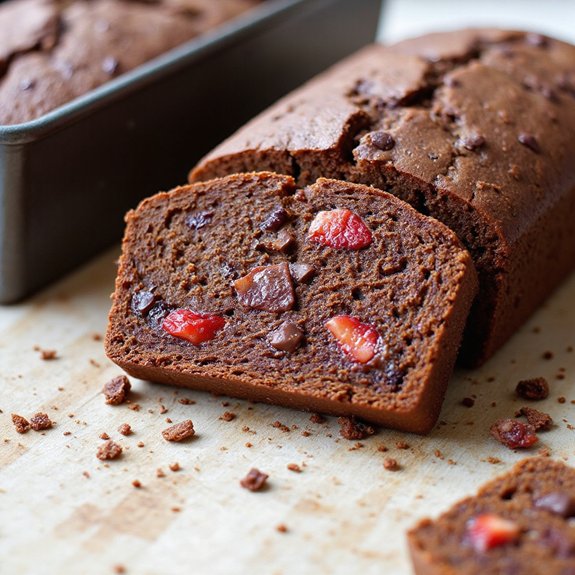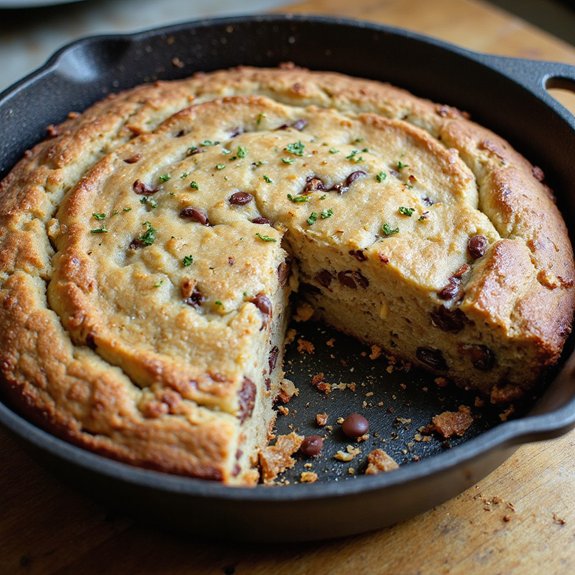
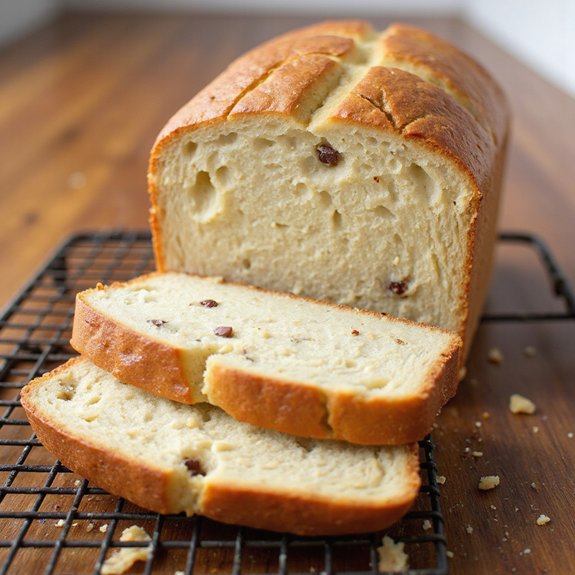
There’s something about sliding a golden loaf from the oven, its crackly top dusted with flour and the warm, tangy aroma of sourdough filling the kitchen, that instantly makes a house feel like home.
This sourdough discard quick bread is a cozy, no-fuss bake: tender crumb, slightly chewy crust, and that gentle, unmistakable sourdough note—all ready in about an hour, start to finish.
It’s ideal for busy weeknights, new bakers nervous about yeast, and anyone who hates tossing out sourdough discard.
I still remember a dreary Tuesday when dinner felt impossible and my starter jar was overflowing.
Ten minutes of stirring and pouring later, this loaf was in the oven, and by the time we’d chopped a salad and fried some eggs, warm slices were on our plates, solving both the “what’s for dinner?” and “what do I do with this discard?” problems at once.
Ready to bring this dish to life?
Why You’ll Love It
- Uses up discard instead of wasting precious starter
- Delivers tender, cake-like crumb with subtle sourdough tang
- Comes together fast—no kneading, stretching, or long rise times
- Welcomes endless mix-ins like chocolate chips, berries, or nuts
- Stays moist for days and freezes beautifully for later
Ingredients
- 240 g sourdough discard, unfed — slightly tangy, up to 1 week old in fridge
- 190 g all-purpose flour — standard protein (about 10–11%) works best
- 150 g granulated sugar — white sugar for clean, neutral sweetness
- 80 ml neutral oil — canola or vegetable oil for a tender crumb
- 120 ml milk, room temperature — whole or 2% for better richness
- 2 large eggs, room temperature — make sure shells are clean and intact
- 8 g baking powder — aluminum-free if you prefer milder flavor
- 3 g baking soda — break up any clumps before mixing
- 3 g fine sea salt — fine grain for even seasoning
- 5 ml vanilla extract — pure extract for best flavor
- 2 g ground cinnamon (optional) — use fresh, aromatic spice if possible
Step-by-Step Method
Preheat the Oven & Prep the Pan
Preheat the oven to 350°F (175°C). Lightly grease a 9×5-inch loaf pan, then line it with parchment paper, leaving an overhang for easy lifting.
Grease the parchment lightly as well. Set the pan aside while you mix the batter so it’s ready to go straight into the oven once the batter is combined.
Combine the Dry Ingredients
Measure the flour, baking powder, baking soda, salt, and cinnamon (if using) into a medium bowl. Whisk thoroughly until everything looks evenly combined, with no streaks of leavening.
This helps distribute the baking powder and soda so the bread rises evenly and prevents pockets of salt or spice.
Whisk the Wet Base
In another medium bowl, add the sugar, oil, eggs, milk, and vanilla extract. Whisk briskly until the mixture is smooth, slightly thickened, and a bit paler in color.
This helps dissolve the sugar and emulsify the oil and eggs. Make sure there are no visible streaks of egg remaining before moving on.
Incorporate the Sourdough Discard
Add the sourdough discard to the wet mixture. Whisk until the discard is completely blended in and the batter looks uniform, with no streaks of starter.
Scrape the sides and bottom of the bowl as you mix. This guarantees the tangy flavor is evenly dispersed and the texture stays consistent throughout the loaf.
Fold in the Dry Ingredients
Tip the dry ingredients into the wet mixture. Using a rubber spatula, gently fold everything together until no dry flour patches remain.
Use broad, sweeping motions and avoid vigorous stirring. Stop as soon as the batter is uniform. Overmixing can develop gluten and make the bread dense or tough instead of tender.
Add Optional Mix-Ins
If using chocolate chips, nuts, or berries, sprinkle up to 120 g over the batter now. Gently fold them in with a spatula just until they’re evenly distributed.
Avoid adding extra liquid ingredients, which can throw off the moisture balance. Scrape the sides and bottom to ensure even mixing without deflating the batter too much.
Fill the Pan & Smooth the Top
Pour the batter into the prepared loaf pan, using the spatula to scrape every bit from the bowl. Spread the batter evenly, then smooth the top so it bakes flat and attractive.
Tap the pan lightly on the counter once or twice to release large air bubbles. This helps the loaf bake more evenly throughout.
Bake Until Set & Test Doneness
Place the pan on the center oven rack. Bake for 40–50 minutes, checking around 40 minutes.
Insert a toothpick into the center; it should come out clean or with a few moist crumbs, not wet batter. If the top browns too quickly before the center is done, tent loosely with foil for the remaining baking time.
Cool in the Pan Briefly
Remove the pan from the oven and set it on a wire rack. Let the bread cool in the pan for 10–15 minutes.
This resting period helps the structure set so it unmolds more easily. Avoid cutting yet; the crumb is still very delicate and can compress or crumble if sliced too soon.
Unmold & Cool Completely Before Slicing
Use the parchment overhang to lift the loaf from the pan and place it directly on the wire rack. Let it cool completely, at least 15–20 more minutes, before slicing.
This cooling time helps the crumb firm up and slice cleanly. Once cool, cut into slices and store wrapped at room temperature or freeze for longer keeping.
Ingredient Swaps
- Dairy-free: Use any unsweetened plant milk (soy, oat, almond) 1:1 for cow’s milk; the rest of the recipe is already dairy-free.
- Lower budget / pantry-friendly: Swap neutral oil with any mild-tasting oil or melted (and cooled) butter or margarine in equal volume.
- Whole grain: Replace up to half of the all-purpose flour with whole wheat or spelt; add 1–2 tbsp extra milk if the batter seems too thick.
- Lower sugar: Reduce sugar to 100 g for a lightly sweet loaf; don’t go much lower or the texture may become dense.
- Flavor swaps: Trade vanilla + cinnamon for 2–3 tsp lemon or orange zest, or add 1–2 tsp warm spices (pumpkin spice, chai blend) instead of cinnamon.
You Must Know
- Doneness • If the center seems underdone: If the toothpick comes out with thick, wet batter instead of just a few moist crumbs, leave the loaf in for 5–10 more minutes and check again. This keeps the middle from sinking and turning gummy—aim for a clean tester and a springy top that slowly bounces back when pressed.
- Troubleshoot • If your discard is very sour or older (5–7 days in fridge): Pair it with add-ins like 60–120 g chocolate chips or 40–60 g brown sugar (swap part of the white sugar) to balance tang. Stronger acidity can make the loaf taste sharp; sweeter, richer flavors round it out without changing texture.
- Avoid • For a tall, even crumb: Avoid stirring the batter after all the flour is hydrated—stop as soon as no dry patches remain. Overworking for even 30–60 extra seconds develops gluten and can give you a dense, tunneled loaf instead of a soft, fine crumb.
- Scale • To make two loaves at once: Multiply every ingredient by 2 (480 g discard, 380 g flour, etc.) and use two 9×5-inch pans, but start checking doneness around 35–40 minutes. Two pans in the oven can brown faster at the edges; rotate them front-to-back halfway through for more even color.
- Make-Ahead • For better flavor and easy timing: Combine the wet ingredients and discard, and store covered in the fridge up to 12 hours; keep dry ingredients separate. When ready, bring the wet mixture toward room temp for 15–20 minutes, then add the dry. The brief chill deepens flavor without sacrificing rise.
Serving Tips
- Serve warm slices with soft butter and a drizzle of honey or maple syrup.
- Pair with coffee or black tea for a simple breakfast or afternoon snack.
- Top with Greek yogurt and fresh berries for a more filling, tangy treat.
- Lightly toast leftover slices and spread with jam, nut butter, or cream cheese.
- Cube and toast into sweet croutons for yogurt parfaits or fruit salads.
Storage & Make-Ahead
This quick bread keeps well, wrapped tightly, at room temperature for 2–3 days or in the fridge up to 5 days.
It’s very make-ahead friendly: bake, cool completely, then wrap and freeze for up to 2 months.
Thaw at room temperature, then slice and serve or toast.
Reheating
For best texture, reheat slices gently.
Microwave 10–15 seconds wrapped in a damp paper towel.
Warm in a 300°F (150°C) oven 5–10 minutes.
Toast lightly on a covered skillet.
Sourdough in American Home Kitchens
On quiet mornings, I love knowing there’s a jar of sourdough starter waiting in the fridge, a small, living reminder of how many American home kitchens have welcomed this old-world tradition back into daily life.
When I unscrew the lid, a soft, tangy scent rises, like yogurt and sun-warmed grain. It feels humble and grounded, far from anything packaged or rushed.
Across the country, that same quiet ritual repeats: bubbles rising in glass jars, wooden spoons scraping bowls, ovens humming awake.
Sourdough’s slipped into busy routines through simple bakes like this quick bread—no elaborate schedule, just a way to turn “waste” into a tender, fragrant loaf. It’s frugality, comfort, and craft, all wrapped in a crackling, golden crust.
Final Thoughts
Give this sourdough discard quick bread a try the next time you refresh your starter—you might be surprised how fast it disappears!
Have fun customizing it with your favorite mix-ins, and make it your own.
Frequently Asked Questions
Can I Scale This Recipe up for Multiple Loaves or Down for Mini Loaves?
Yes, you can. I’d multiply or divide every ingredient by the number of loaves, keep batter depth similar, then bake mini loaves less time, watching for domed tops and a clean, fragrant toothpick.
How Do I Adjust Baking Time at Different Altitudes for This Bread?
I’d shorten baking at low altitude, lengthen at high: above 3,000 feet, I’d add 5–10 minutes, watching for a clean toothpick. Trust the aroma, golden crust, and gentle spring under your fingertips.
Is This Recipe Suitable for People With Egg or Dairy Allergies?
It isn’t allergy‑friendly as written, but you can adapt it. I’d swap eggs for flax “eggs” and milk for oat or soy milk, then enjoy the same tender crumb and warm, sweetly tangy aroma.
What’s the Best Way to Prevent a Dense or Gummy Crumb?
To prevent a dense, gummy crumb, I urge you not to overmix; fold gently. Keep ingredients at room temperature, bake fully, and let the loaf cool completely, so each slice feels tender, airy, and softly fragrant.
How Can I Turn This Quick Bread Into Muffins or Snack-Size Bites?
You can bake it as muffins: I’d fill lined tins ¾ full, bake at 350°F about 16–20 minutes. For snack bites, use mini pans, 10–14 minutes, until domes glow golden and smell warmly tangy-sweet.
Sourdough Discard Quick Bread
Equipment
- 1 standard 9×5-inch loaf pan
- 2 medium mixing bowls
- 1 Whisk
- 1 Rubber spatula
- 1 measuring cup set
- 1 measuring spoon set
- 1 Wire rack
- 1 toothpick or cake tester
Ingredients
- 240 gram sourdough discard unfed
- 190 gram all-purpose flour
- 150 gram granulated sugar
- 80 milliliter neutral oil such as canola or vegetable
- 120 milliliter milk room temperature
- 2 large eggs room temperature
- 8 gram baking powder
- 3 gram baking soda
- 3 gram fine sea salt
- 5 milliliter vanilla extract
- 2 gram ground cinnamon optional
Instructions
- Preheat the oven to 350°F (175°C) and lightly grease and line a 9×5-inch loaf pan with parchment paper.
- In a medium bowl, whisk together the flour, baking powder, baking soda, salt, and cinnamon (if using) until well combined.
- In a separate bowl, whisk the sugar, oil, eggs, milk, and vanilla extract until smooth and slightly pale.
- Add the sourdough discard to the wet mixture and whisk until fully incorporated and no streaks remain.
- Add the dry ingredients to the wet ingredients and gently fold with a spatula just until no dry flour patches remain, being careful not to overmix.
- Pour the batter into the prepared loaf pan and smooth the top with a spatula.
- Bake the loaf on the center rack for 40–50 minutes, or until a toothpick inserted in the center comes out clean or with a few moist crumbs.
- Remove the pan from the oven and let the bread cool in the pan on a wire rack for 10–15 minutes.
- Carefully lift the loaf out of the pan using the parchment and transfer it directly to the wire rack to cool completely for at least 15–20 minutes before slicing.
Notes

Cynthia Weatherford is a seasoned chef and culinary enthusiast who serves as the Recipe creator of Somonday. With decades of experience in the kitchen and a passion for exploring diverse cuisines, Cynthia brings a blend of creativity and technique to every dish. Known for transforming simple ingredients into show-stopping meals, Cynthia believes that cooking is an art form anyone can master. Dedicated to inspiring home cooks, Cynthia shares approachable recipes, pro tips, and culinary wisdom to make every meal memorable.