There’s something about a burger cradled in a soft, golden bun that makes any meal feel like an occasion.
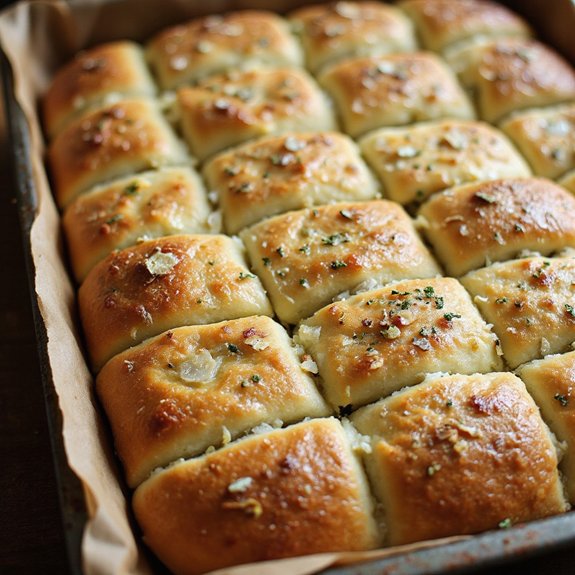
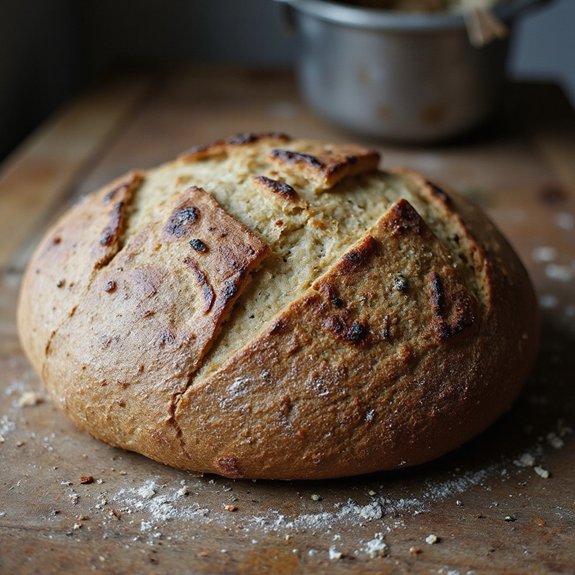
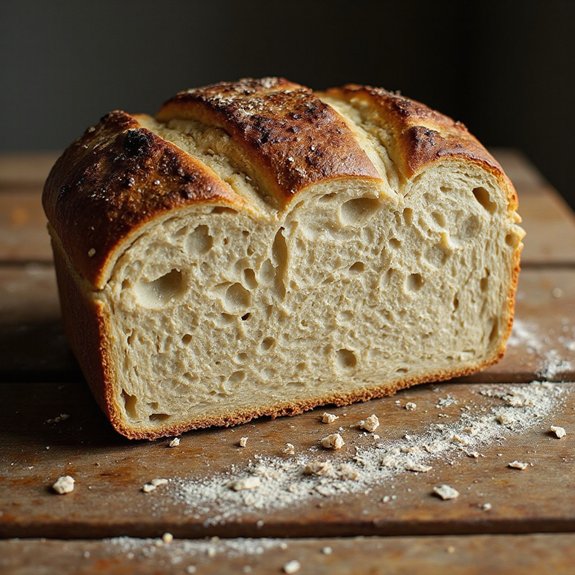
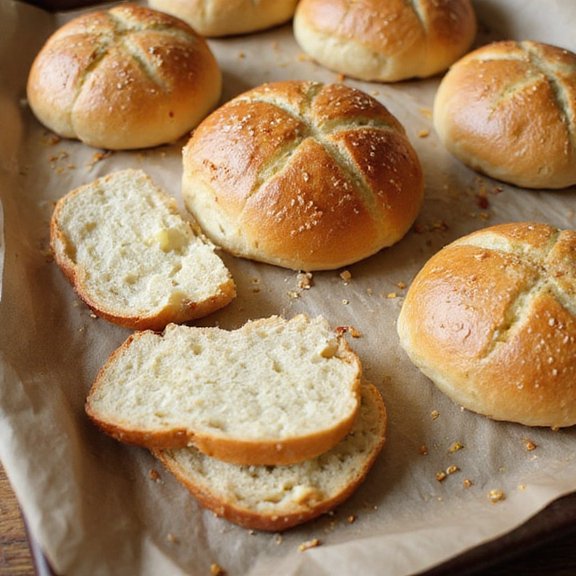
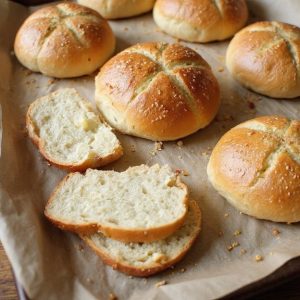
Picture lightly toasted sourdough hamburger buns: blistered, caramel-brown tops, tender yet sturdy crumb, and that gentle tangy aroma drifting through a warm kitchen.
This is comfort food at its best—perfect for backyard burgers, pulled pork, or veggie patties—and while the dough takes its time to rise, the hands-on work is simple and unrushed.
These buns are ideal for home bakers who love slow, rewarding recipes: weekend cooks, sourdough beginners, and anyone who wants to elevate casual dinners or relaxed gatherings.
I still remember a rainy Sunday when store-bought buns fell flat, so I pulled a jar of starter from the fridge and baked these instead; our simple burgers suddenly felt special and homemade.
They shine at cookouts, game days, or cozy family suppers. Ready to bring this recipe to life?
Why You’ll Love It
- Delivers rich, tangy flavor that outshines store‑bought hamburger buns
- Creates plush, tender crumb that holds even the juiciest burgers
- Uses simple pantry ingredients plus your active sourdough starter
- Adapts easily for sliders, sandwiches, or breakfast buns
- Freezes beautifully for make‑ahead burger nights and quick weeknight meals
Ingredients
- 150 g active sourdough starter, 100% hydration — use recently fed and bubbly for best rise
- 240 g whole milk, lukewarm — gently warmed, not hot, to avoid killing wild yeast
- 1 large egg, room temperature — cold eggs can slow fermentation
- 40 g unsalted butter, melted and cooled — let cool so it doesn’t scramble the egg
- 25 g granulated sugar — adds tenderness and slight sweetness
- 8 g fine sea salt — enhances flavor and strengthens gluten
- 400 g bread flour, plus extra for dusting — higher protein helps buns stay tall and fluffy
- 1 large egg, beaten, for egg wash — gives buns a shiny, golden crust
- 15 ml water, for egg wash — thins egg wash for more even brushing
- 15 g sesame seeds, optional topping — add classic burger bun flavor and crunch
Step-by-Step Method
Mix the Wet Ingredients
Whisk the active sourdough starter, lukewarm milk, egg, melted butter, and sugar in a large mixing bowl. Combine until the mixture is smooth and uniform, with no streaks of egg or starter.
Make certain the milk is warm, not hot, to avoid harming the yeast in the starter. Set the bowl aside briefly.
Form the Shaggy Dough
Add the bread flour and salt to the wet mixture. Stir with a sturdy spoon or dough scraper until no dry patches of flour remain.
Stop mixing as soon as a rough, shaggy dough forms. Scrape down the sides and bottom of the bowl so all ingredients are incorporated evenly before kneading.
Knead Until Smooth and Elastic
Knead the dough by hand on a lightly floured surface for 8–10 minutes, or use a stand mixer with a dough hook on low for 6–8 minutes.
Aim for a smooth, elastic dough that feels soft and slightly tacky but not sticky. Avoid adding too much extra flour, which can make the buns dense.
Bulk Ferment Until Doubled
Shape the dough into a smooth ball and place it in a lightly oiled bowl. Turn it once to coat.
Cover the bowl with plastic wrap or a clean towel. Let the dough rise at warm room temperature until doubled in size, usually 2–3 hours.
Check periodically; slower rising is normal in cooler kitchens.
Pat and Portion the Dough
Turn the risen dough gently onto a lightly floured surface. Pat it into an even rectangle about 2–3 centimeters thick.
Use a dough scraper or knife to divide the dough into eight equal pieces by weight for consistent baking. Lightly flour your hands to keep the dough from sticking.
Shape Tight Dough Balls
Take each piece and tuck the edges underneath, forming a smooth, tight ball. Use a cupped hand to gently roll the dough against the counter, creating surface tension on top.
This tension helps the buns rise taller instead of spreading. Repeat for all pieces, keeping them lightly floured if needed.
Arrange and Flatten the Buns
Place the dough balls on parchment-lined baking sheets, spacing them well apart to allow room for rising. Gently press each ball to flatten it to about 2 centimeters tall.
Avoid pressing too hard or tearing the surface. Arrange so you have four buns per sheet for even baking.
Proof Until Puffy and Nearly Doubled
Cover the shaped buns loosely with lightly oiled plastic wrap or a clean towel. Let them proof at room temperature until noticeably puffy and nearly doubled in size, usually 60–90 minutes.
Handle the trays gently to avoid deflating the dough. Adjust proofing time if your kitchen is cooler or warmer.
Preheat the Oven Fully
About 20 minutes before baking, preheat your oven to 375°F (190°C). Position racks in the upper and lower thirds for even heat circulation.
Allow enough time for the oven to reach full temperature. Proper preheating guarantees good oven spring and evenly browned, well-risen sourdough hamburger buns.
Prepare and Apply Egg Wash
Whisk one egg with the water until thoroughly combined. Using a pastry brush, lightly brush the tops of the proofed buns with the egg wash.
Work gently so you don’t deflate the dough. Cover the entire surface for a shiny, golden crust. Avoid letting the wash pool around the buns’ bases.
Add Optional Sesame Seeds
Sprinkle sesame seeds over the egg-washed tops if you like a classic burger bun look. Distribute the seeds evenly for a neat appearance.
Press very lightly with your fingertips if needed so they adhere. Skip this step if you prefer a plain crust or plan to add different toppings later.
Bake, Cool, and Slice
Bake the buns for 16–18 minutes, rotating the sheets halfway through for even browning. Remove when they’re deep golden and sound hollow when tapped on the bottom.
Transfer immediately to a wire rack. Let them cool completely to set the crumb. Once cool, slice horizontally for burgers and serve.
Ingredient Swaps
- Milk: Use equal-weight water or oat/soy milk for dairy-free; richness is best with whole milk or full-fat alternatives.
- Butter: Swap 1:1 with neutral oil (canola, sunflower, light olive) or vegan butter for lactose-free/vegan.
- Egg in dough: Replace with 45–60 g extra milk or plant milk plus 1 tbsp oil; texture will be slightly less rich but still soft.
- Sugar: Any granulated sugar, light brown sugar, or honey works; reduce by 25% if you prefer less sweetness.
- Bread flour: Use all-purpose flour; start with ~10–15 g less liquid and adjust as needed, as AP absorbs slightly less.
- Egg wash: For vegan/egg-free, brush with milk or plant milk; for extra shine, mix with a little maple syrup.
- Sesame seeds: Omit or sub with poppy seeds, everything bagel seasoning, or coarse salt.
You Must Know
– Flavor Boost – For a tangier, more complex flavor, chill the dough in the fridge for 8–12 hours after the first rise, then bring to room temp for 45–60 minutes before shaping; the cold, slow fermentation develops acidity and aroma without extra ingredients.
Serving Tips
- Toast buns lightly and spread with garlic butter before adding burger patties.
- Pile with sharp cheddar, caramelized onions, and pickles for a classic cheeseburger.
- Use for pulled pork or shredded chicken sandwiches with tangy coleslaw.
- Serve mini versions as sliders for party platters or game-day spreads.
- Split, toast, and top with avocado, egg, and bacon for breakfast sandwiches.
Storage & Make-Ahead
Sourdough hamburger buns keep in the fridge, well wrapped, for up to 4 days.
For longer storage, freeze completely cooled buns in an airtight bag up to 3 months.
Thaw at room temperature, then refresh 5–10 minutes in a warm oven.
You can bake a day ahead with excellent results.
Reheating
Reheat buns gently to avoid drying.
Microwave wrapped in a damp towel 10–15 seconds, warm in a 300°F (150°C) oven 5–8 minutes, or steam briefly in a covered skillet.
Backyard Cookout Burger Traditions
Most summer evenings, I picture a backyard glowing with string lights, the grill hissing as burger juices drip and flare into brief sparks of flame.
That’s when I bring out a tray of my sourdough buns, still faintly warm, their crusts softly shining from the egg wash.
I love the small rituals that repeat every cookout: you tear one bun open and steam escapes, smelling of butter and tangy starter; someone calls dibs on the first cheeseburger; pickles clink in their jar.
I set out sliced tomatoes, crisp lettuce, and sauces in mismatched bowls, and let everyone build their own stack.
Final Thoughts
Give these sourdough hamburger buns a try the next time you fire up the grill—they’re soft, flavorful, and so satisfying to make from scratch.
Once you’ve mastered the base recipe, feel free to tweak it with different toppings or flours to make it your own.
Frequently Asked Questions
Can I Convert This Recipe to a Vegan Sourdough Hamburger Bun Version?
Yes, you can. I’d swap milk for creamy oat milk, butter for vegan butter, egg for aquafaba, and use plant milk for the wash—still yielding pillowy, golden buns that smell like a warm bakery.
How Do High-Altitude Conditions Affect Sourdough Hamburger Bun Rise and Texture?
High altitude makes your buns rise faster, feel airier, and risk drying out. I’d watch the dough like a whispering balloon, shorten proofs, add a touch more liquid, and bake sooner for soft, tender crumbs.
Can I Shape This Dough Into Hot Dog Buns or Slider Rolls Instead?
You can, and I often do. I shape gentle logs for hot dogs, tiny domes for sliders, letting the dough rise like pillowy clouds. Baked, they smell buttery-tangy, their tender crumb steaming when you tear in.
Are These Sourdough Hamburger Buns Suitable for Freezing Unbaked (Parbaked) for Later?
Yes, you can parbake and freeze them. I’d bake until just pale golden, cool amid that warm, buttery aroma, then freeze on a sheet. Later, you’ll finish baking and enjoy freshly baked, tender buns.
What’s the Best Way to Adapt This Recipe for a Bread Machine?
You’ll add wet ingredients and starter first, then dry, run a “dough” cycle, and let it knead and rise. I then gently shape, proof on warm trays, brush glossy egg wash, and bake.
Sourdough Hamburger Bun Recipe
Equipment
- 1 stand mixer with dough hook (optional)
- 2 large mixing bowls
- 1 Kitchen scale
- 1 measuring cup set
- 1 measuring spoon set
- 1 Dough scraper
- 1 plastic wrap or clean kitchen towel
- 2 rimmed baking sheets
- 2 sheets parchment paper
- 1 pastry brush
- 1 wire cooling rack
Ingredients
- 150 gram active sourdough starter 100% hydration
- 240 gram whole milk warmed to lukewarm
- 1 large egg room temperature
- 40 gram unsalted butter melted and cooled
- 25 gram granulated sugar
- 8 gram fine sea salt
- 400 gram bread flour plus extra for dusting
- 1 large egg beaten for egg wash
- 15 milliliter water for egg wash
- 15 gram sesame seeds optional topping
Instructions
- In a large mixing bowl, whisk together the active sourdough starter, lukewarm milk, egg, melted butter, and sugar until smooth.
- Add the bread flour and salt to the wet mixture and stir with a spoon or dough scraper until a shaggy dough forms.
- Knead the dough by hand for 8–10 minutes or in a stand mixer on low speed for 6–8 minutes until smooth, elastic, and just slightly tacky.
- Shape the dough into a ball, place it in a lightly oiled bowl, cover with plastic wrap or a towel, and let rise at warm room temperature until doubled, about 2–3 hours.
- Gently turn the risen dough onto a lightly floured surface and pat it into an even rectangle about 2–3 cm thick.
- Divide the dough into 8 equal pieces by weight and shape each piece into a tight ball by tucking the edges underneath.
- Place the dough balls onto parchment-lined baking sheets, spacing them well apart, and gently flatten each to about 2 cm tall.
- Cover the shaped buns loosely with lightly oiled plastic wrap or a towel and let them proof until puffy and nearly doubled, about 60–90 minutes.
- About 20 minutes before baking, preheat the oven to 375°F (190°C) with racks in the upper and lower thirds.
- Whisk the egg and water together to make an egg wash, then gently brush the tops of the buns, taking care not to deflate them.
- Sprinkle sesame seeds over the tops of the buns if using.
- Bake the buns for 16–18 minutes, rotating the sheets halfway, until deep golden brown and the bottoms sound hollow when tapped.
- Transfer the buns to a wire rack and let cool completely before slicing for burgers.
Notes

Cynthia Weatherford is a seasoned chef and culinary enthusiast who serves as the Recipe creator of Somonday. With decades of experience in the kitchen and a passion for exploring diverse cuisines, Cynthia brings a blend of creativity and technique to every dish. Known for transforming simple ingredients into show-stopping meals, Cynthia believes that cooking is an art form anyone can master. Dedicated to inspiring home cooks, Cynthia shares approachable recipes, pro tips, and culinary wisdom to make every meal memorable.