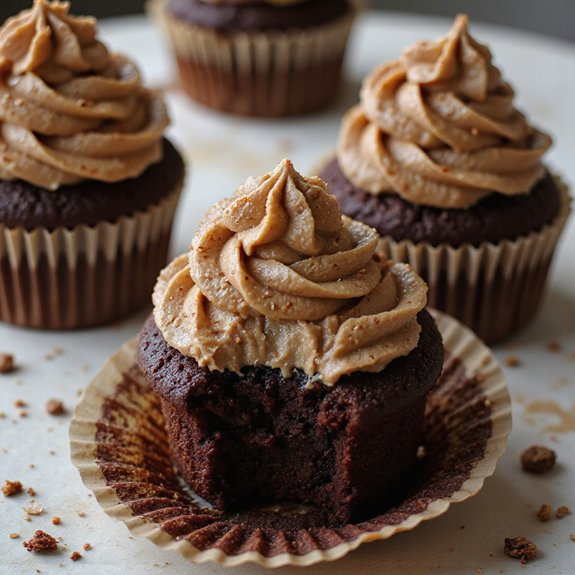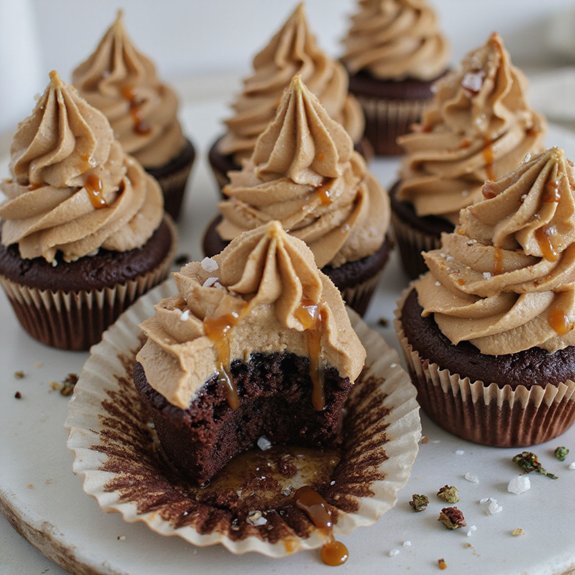
There’s something about peeling back a cupcake wrapper and sinking your teeth into a cloud-soft sponge crowned with silky frosting that stops time for a moment.
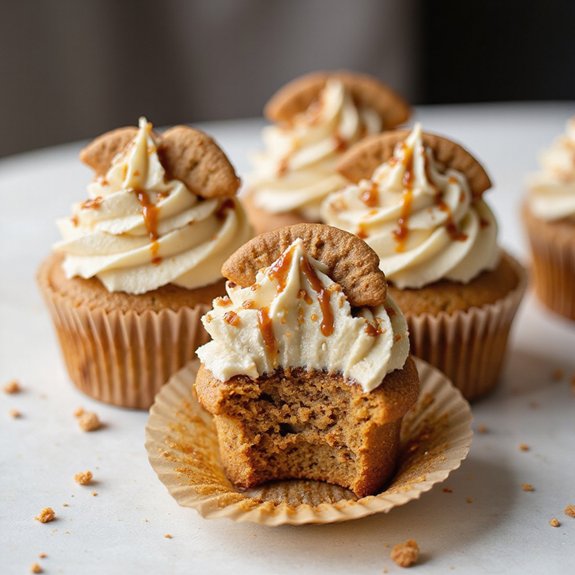
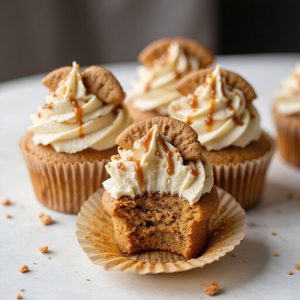
Picture golden-brown vegan cupcakes, flecked with caramelized Biscoff crumbs, filling your kitchen with a warm, spiced aroma.
These are cozy, bakery-style desserts, yet they come together surprisingly fast—perfect for when you need a sweet fix without hours of work.
They’re made for sweet-tooth fans, beginner bakers, and anyone craving an easy, impressive treat for birthdays, casual gatherings, or last-minute dessert emergencies.
I still remember pulling a batch from the oven when friends dropped by unannounced; within 30 minutes, the house smelled like a café and everyone thought I’d planned it.
These cupcakes shine at Sunday suppers, office parties, and quiet evenings when you just need something comforting with a cup of tea.
Ready to bring this dessert to life?
Why You’ll Love It
- Delivers bold caramelized cookie flavor in both the cupcakes and frosting
- Stays wonderfully soft and moist thanks to plant milk and oil
- Uses easy-to-find vegan ingredients and simple pantry staples
- Impresses visually with swirled frosting, drizzle, and cookie topper
- Adapts easily for parties, bake sales, or make-ahead desserts
Ingredients
- 240 ml unsweetened plant milk — soy, oat, or almond all work well
- 1 tbsp apple cider vinegar — creates a vegan “buttermilk” for tenderness
- 200 g all-purpose flour — standard plain white flour
- 150 g granulated sugar — regular white sugar, not coarse
- 1 1/2 tsp baking powder — check it’s fresh for good rise
- 1/2 tsp baking soda — helps react with the vinegar mixture
- 1/4 tsp fine salt — fine grain blends more evenly
- 80 ml neutral oil — sunflower or canola for a light flavor
- 2 tsp vanilla extract — real vanilla gives best flavor
- 100 g Biscoff spread, melted — gently warm until pourable
- 6 vegan Biscoff cookies, crushed — leave some small chunks for texture
- 120 g vegan butter, softened — bring to room temperature for easy whipping
- 200 g Biscoff spread, room temperature — for a smooth frosting base
- 240 g powdered sugar, sifted — removes lumps for silky frosting
- 1–2 tbsp plant milk — add gradually to adjust frosting consistency
- 6 vegan Biscoff cookies, halved — for topping and decoration
- 2 tbsp Biscoff spread, melted — optional drizzle over frosted cupcakes
Step-by-Step Method
Preheat the oven and prepare the tin
Preheat the oven to 180°C (350°F). Line a 12-cup muffin tin with paper cupcake liners. Set the tin aside on a flat surface so the batter spreads evenly later.
Preparing the tin first guarantees you can get the batter into the oven quickly once mixed, which helps the cupcakes rise properly.
Curdle the plant milk
Whisk together the plant milk and apple cider vinegar in a medium mixing bowl. Let the mixture sit for about 5 minutes until slightly thickened and curdled.
This creates a quick vegan “buttermilk,” which helps produce light, tender cupcakes with a better crumb and improved rise in the oven.
Combine the dry ingredients
In another medium bowl, add the flour, granulated sugar, baking powder, baking soda, and salt. Whisk the ingredients thoroughly until everything looks evenly combined.
Breaking up any lumps of flour or sugar at this stage helps ensure a smooth, uniform cupcake batter without overmixing later when you add the wet ingredients.
Mix the wet ingredients
Add the oil and vanilla extract to the curdled plant milk. Melt 100 grams of Biscoff spread in a small microwave-safe bowl for 10–15 seconds until pourable.
Pour the melted spread into the milk mixture. Whisk until the mixture looks smooth and well combined, without visible streaks of oil or spread.
Bring wet and dry together
Pour the wet mixture into the bowl of dry ingredients. Gently whisk or stir until just combined and no dry pockets of flour remain.
Avoid vigorous mixing to prevent developing too much gluten. A few small lumps in the batter are fine and will help keep the cupcakes soft and tender.
Fold in the crushed cookies
Crush 6 Biscoff cookies into small chunks, not fine crumbs, for texture. Tip the crushed cookies into the batter.
Use a silicone spatula to fold them through gently until they’re evenly dispersed. Don’t over-stir at this point so the batter stays light and the cookies retain some crunch.
Fill the cupcake liners
Divide the batter evenly among the 12 prepared cupcake liners. Aim to fill each liner about two-thirds full, using a scoop or spoon for accuracy.
Try to keep the portions even so all cupcakes bake at the same rate. Gently tap the tin once on the counter to release any large air bubbles.
Bake the cupcakes
Place the muffin tin on the center oven rack. Bake for 18–20 minutes, or until a toothpick inserted into the middle of a cupcake comes out clean or with a few moist crumbs.
Avoid opening the oven door too often, as this can reduce heat and affect how well the cupcakes rise.
Cool the cupcakes completely
Transfer the muffin tin to a wire cooling rack. Let the cupcakes cool in the tin for 10 minutes to set their structure.
Carefully remove the cupcakes from the tin and place them directly on the rack. Allow them to cool completely for at least 20 minutes before frosting so the buttercream doesn’t melt.
Beat the butter and Biscoff
Add the softened vegan butter and 200 grams of room-temperature Biscoff spread to a mixing bowl. Using an electric hand mixer or stand mixer, beat on medium speed until the mixture is smooth, light, and creamy.
Scrape down the sides of the bowl as needed to ensure everything is evenly incorporated.
Add powdered sugar and adjust consistency
Gradually add the sifted powdered sugar, mixing on low speed at first to avoid a sugar cloud. Once incorporated, increase to medium-high and beat until fluffy.
Add 1–2 tablespoons of plant milk a little at a time until the frosting is smooth, thick, and pipeable. If it becomes too soft, briefly chill then re-whip.
Pipe and decorate the cupcakes
Transfer the frosting to a piping bag fitted with your chosen nozzle, or use a spatula. Pipe a generous swirl onto each cooled cupcake.
Melt 2 tablespoons of Biscoff spread until pourable, then cool slightly. Drizzle over the frosting. Finish by pressing half a Biscoff cookie into the top of each cupcake.
Ingredient Swaps
- Use any unsweetened plant milk you have (soy, oat, almond, or coconut drink all work); white vinegar or lemon juice can replace apple cider vinegar.
- Swap neutral oil with melted coconut oil or light olive oil, and granulated sugar with light brown sugar for a deeper caramel flavor.
- If Biscoff spread or cookies aren’t available, use another smooth speculoos cookie butter and any similar spiced vegan cookies.
You Must Know
– Make-Ahead • To simplify on the day, keep unfrosted cupcakes in an airtight container at room temp for up to 2 days and refrigerate the frosting up to 3 days, then let the frosting sit 20–30 minutes and re-whip briefly until fluffy before piping.
Serving Tips
- Serve on a white platter to highlight the caramel color and cookie garnish.
- Pair with hot coffee, chai, or oat milk lattes to complement the warm spices.
- Add a scoop of vanilla dairy-free ice cream beside a cupcake for dessert plates.
- Crumble extra Biscoff cookies around the base for a rustic, bakery-style look.
- Warm slightly before serving if refrigerated to soften frosting and intensify flavor.
Storage & Make-Ahead
These cupcakes keep 3–4 days in the fridge in an airtight container.
Bring to room temperature before serving so the sponge softens and frosting loosens.
You can bake the cupcakes a day ahead and frost later.
Unfrosted cupcakes freeze well for up to 2 months.
Thaw fully before decorating.
Reheating
Reheat cupcakes gently: in a microwave for 5–10 seconds, or in a 150°C (300°F) oven for 5–8 minutes.
Avoid stovetop reheating to prevent drying or uneven warming.
Biscoff in Pop Culture
Once you’ve warmed a leftover cupcake and that spiced caramel aroma fills your kitchen again, it’s easy to see why Biscoff has slipped so easily into pop culture.
It’s that same scent curling through coffee shops, tucked beside tiny airplane cups, swirled into milkshakes, and stacked in TikTok dessert towers that crackle as they’re sliced.
I notice how Biscoff quietly shape-shifts: from humble latte-side cookie to glossy cheesecake crust, frappé topping, and ice cream swirl. It’s everywhere, yet still feels like a little secret.
When you peel back a liner and bite into a vegan Biscoff cupcake, you’re not just eating a dessert—you’re tapping into this shared, slightly nostalgic obsession that stretches from airplane trays to Instagram feeds, all in one tender, spiced crumb.
Final Thoughts
Give these Vegan Biscoff Cupcakes a try and enjoy all that spiced, caramelized cookie goodness in every bite.
Feel free to tweak the recipe with your favorite plant milk or toppings to make them your own!
Frequently Asked Questions
Can I Make These Biscoff Cupcakes Gluten-Free Without Compromising Texture?
Yes, you can, but you’ll need a good 1:1 gluten‑free baking blend with xanthan gum. I’d sift it well, rest the batter 10 minutes, and watch baking time closely for that tender, cloud‑soft crumb.
How Do I Adjust Baking Time for Mini or Jumbo Biscoff Cupcakes?
For minis, I’d start checking at 10–12 minutes; for jumbo, 22–26 minutes. I watch for domed tops, a fragrant caramel cloud, and a toothpick that emerges with just a tender crumb’s kiss.
Which Plant Milk Gives the Best Flavor and Structure for These Cupcakes?
I reach for full-bodied soy milk—it gives you tender, well-risen crumbs and a gentle creaminess. If you prefer milder flavor, use oat milk; it’s soft, slightly sweet, and makes the spiced caramel notes feel extra lush.
Can I Turn This Cupcake Recipe Into a Layered Biscoff Cake?
You can, and I’d absolutely do it. I’d double the batter, bake it in two 8‑inch pans, cool completely, then lavish each tender layer with Biscoff buttercream, cookie crumbs, and a slow, glossy drizzle.
Are These Vegan Biscoff Cupcakes Suitable for Freezing After Frosting?
Yes, you can freeze them frosted. I’d chill them first until the frosting firms, then wrap each cupcake snugly. When you’re ready, thaw at room temperature and let the Biscoff aroma slowly bloom.
Vegan Biscoff Cupcakes
Equipment
- 1 12-cup muffin tin
- 12 paper cupcake liners
- 2 medium mixing bowls
- 1 small microwave-safe bowl
- 1 Whisk
- 1 Silicone spatula
- 1 measuring cup set
- 1 measuring spoon set
- 1 electric hand mixer or stand mixer
- 1 wire cooling rack
- 1 piping bag and nozzle optional
Ingredients
- 240 milliliter unsweetened plant milk such as soy, oat, or almond
- 1 tablespoon apple cider vinegar
- 200 gram all-purpose flour
- 150 gram granulated sugar
- 1 1/2 teaspoon baking powder
- 1/2 teaspoon baking soda
- 1/4 teaspoon fine salt
- 80 milliliter neutral oil such as sunflower or canola
- 2 teaspoon vanilla extract
- 100 gram Biscoff spread melted, for batter
- 6 vegan Biscoff cookies crushed, for batter
- 120 gram vegan butter softened, for frosting
- 200 gram Biscoff spread room temperature, for frosting
- 240 gram powdered sugar sifted, for frosting
- 1 1–2 tablespoons plant milk as needed, for frosting
- 6 vegan Biscoff cookies halved, for decoration
- 2 tablespoon Biscoff spread melted, for drizzle, optional
Instructions
- Preheat the oven to 180°C (350°F) and line a 12-cup muffin tin with paper liners.
- In a medium bowl, whisk together the plant milk and apple cider vinegar, then set aside for 5 minutes to curdle.
- In another bowl, whisk the flour, granulated sugar, baking powder, baking soda, and salt until well combined.
- Add the oil, vanilla extract, and 100 grams of melted Biscoff spread to the curdled plant milk and whisk until smooth.
- Pour the wet ingredients into the dry ingredients and gently whisk until just combined, then fold in the 6 crushed Biscoff cookies.
- Divide the batter evenly between the 12 cupcake liners, filling each about two-thirds full.
- Bake the cupcakes for 18–20 minutes, or until a toothpick inserted into the center comes out clean.
- Transfer the muffin tin to a wire rack and let the cupcakes cool in the tin for 10 minutes.
- Remove the cupcakes from the tin and let them cool completely on the wire rack for at least 20 minutes.
- For the frosting, beat the softened vegan butter and 200 grams of Biscoff spread together with an electric mixer until light and creamy.
- Gradually add the powdered sugar, mixing on low speed at first, then increase speed until fully incorporated and fluffy.
- Add 1–2 tablespoons of plant milk, a little at a time, until you reach a smooth, pipeable frosting consistency.
- Once the cupcakes are completely cool, transfer the frosting to a piping bag fitted with your preferred nozzle.
- Pipe a generous swirl of frosting onto each cupcake.
- Melt 2 tablespoons of Biscoff spread in a small microwave-safe bowl for about 10–15 seconds until pourable, then let it cool slightly.
- Drizzle the melted Biscoff over the frosted cupcakes.
- Finish each cupcake by placing half a Biscoff cookie into the frosting as decoration.
Notes
Cynthia Weatherford is a seasoned chef and culinary enthusiast who serves as the Recipe creator of Somonday. With decades of experience in the kitchen and a passion for exploring diverse cuisines, Cynthia brings a blend of creativity and technique to every dish. Known for transforming simple ingredients into show-stopping meals, Cynthia believes that cooking is an art form anyone can master. Dedicated to inspiring home cooks, Cynthia shares approachable recipes, pro tips, and culinary wisdom to make every meal memorable.