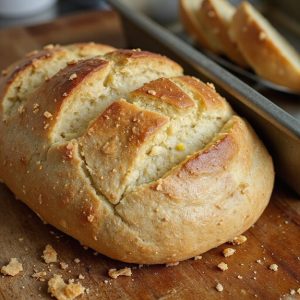
Soft Sourdough Bread
Equipment
- 1 digital kitchen scale
- 2 medium mixing bowls
- 1 large mixing bowl
- 1 Dough scraper
- 1 bench scraper
- 1 9x5 inch loaf pan (or similar)
- 1 kitchen towel or plastic wrap
- 1 wire cooling rack
- 1 Oven
- 1 serrated bread knife
Ingredients
- 120 gram active sourdough starter 100% hydration
- 260 gram water room temperature
- 40 gram whole milk room temperature
- 30 gram unsalted butter softened
- 25 gram granulated sugar
- 8 gram fine sea salt
- 420 gram bread flour
- 20 gram whole wheat flour
- 10 gram neutral oil or softened butter for greasing pan
Instructions
- In a large mixing bowl, whisk together the active sourdough starter, water, and milk until mostly smooth.
- Add the sugar and softened butter to the bowl and mix until the butter is broken into small pieces.
- Add the bread flour, whole wheat flour, and salt, then mix with your hand or a dough scraper until a shaggy dough forms and no dry flour remains.
- Cover the bowl and let the dough rest for 20–30 minutes to allow for autolyse.
- After resting, knead the dough in the bowl or on a lightly oiled surface for 5–8 minutes until it becomes smooth and elastic, adding only a light film of oil if it sticks.
- Shape the dough into a ball and place it in a lightly oiled bowl, turning once to coat.
- Cover the bowl and let the dough bulk ferment at warm room temperature (75–78°F / 24–26°C) for 2–3 hours, performing 2–3 sets of gentle stretch-and-folds every 30–45 minutes during the first 1.5 hours.
- When the dough has risen by about 60–80% and feels airy with small bubbles visible at the edges, gently turn it out onto a lightly floured surface.
- Pat the dough into a rough rectangle, then fold the sides toward the center and roll it up tightly from the short end to form a log.
- Pinch the seam closed and tuck the ends under, then place the dough seam-side down into a greased 9x5-inch loaf pan.
- Cover the pan loosely with a kitchen towel or plastic wrap and let the dough proof at room temperature for 1–2 hours, or until it crowns 1–2 cm above the rim and feels puffy.
- About 30 minutes before baking, preheat the oven to 375°F (190°C).
- Optionally brush the top of the loaf with a little milk or melted butter for a softer, more golden crust.
- Using a sharp knife or lame, score one long slash down the center of the loaf.
- Place the loaf in the preheated oven and bake for 35–40 minutes, or until the top is deep golden brown and the internal temperature reaches about 195–200°F (90–93°C).
- Remove the pan from the oven and immediately brush the top with a little melted butter for extra softness if desired.
- Let the bread cool in the pan for 10 minutes, then carefully remove it and transfer to a wire rack.
- Allow the loaf to cool completely for at least 1 hour before slicing with a serrated knife.
Notes
For the softest texture, keep the dough slightly on the wetter side and avoid adding too much extra flour during kneading, and ferment in a warm spot so the sourdough can rise efficiently without becoming too tangy; if your kitchen is cool, extend bulk fermentation or proof the shaped loaf in a slightly warmed (but turned-off) oven. Enrichments like milk, butter, and a little sugar all help softness, but don’t overdo them or the dough may struggle to rise, and always make sure your starter is very active before you begin, as a sluggish starter leads to dense bread. Storing the cooled loaf in an airtight bag or container at room temperature will help maintain softness for several days, and you can refresh slices by briefly warming them in the toaster or oven. Once you like the basic recipe, experiment with adding a bit of tangzhong (a cooked flour paste), honey instead of sugar, or swapping a little of the bread flour for more whole grains while watching hydration and fermentation times.
Tried this recipe?Let us know how it was!